


The wellness industry continues to evolve as consumer preferences shift toward comprehensive, accessible shopping experiences. Lang Wellness LLC has positioned itself as a full-spectrum e-commerce destination designed to meet the diverse health and personal care needs of modern households.
The online retailer offers an expansive product catalog that spans supplements, nootropics, hair care, skincare, and personal care essentials including soaps, fragrances, makeup, and lotions. Beyond traditional wellness products, the platform also features specialized technology-driven items such as red light therapy devices and heating pads, reflecting the growing consumer interest in at-home recovery and longevity solutions.
The business model emphasizes inclusivity by organizing offerings around specific demographic needs, including dedicated sections for men's health, women's health, and specialized solutions for textured hair types. This approach addresses a market gap where consumers with curly, coily, and kinky hair textures often struggle to find appropriate products through mainstream retailers.
In an increasingly crowded e-commerce landscape, Lang Wellness has structured its services around two primary value propositions: convenience and cost savings. The platform offers subscription options that allow customers to automate recurring purchases of essential products, eliminating the need for repeated ordering of routine items. Additionally, bulk purchase discounts provide an incentive for larger orders, appealing particularly to families managing household needs for multiple members.
The target market for these services reflects several distinct consumer segments that have emerged as significant forces in the wellness space. Performance-driven professionals and students, primarily Millennials and Gen Z consumers between ages 18 and 40, represent one core demographic. This group typically seeks cognitive enhancement products and stress management supplements to support demanding work and academic schedules. The subscription model aligns particularly well with their preference for efficiency and automation.
Another key segment consists of families seeking a centralized shopping destination for household personal care needs. These consumers, often managing purchases for multiple family members across different age groups, are drawn to the platform's comprehensive product range and bulk discount structure. Budget-conscious yet quality-focused, this demographic values the ability to consolidate purchases rather than shopping across multiple specialized retailers.

The wellness and longevity enthusiast category has grown substantially in recent years, encompassing middle-aged consumers and health-conscious athletes focused on inflammation management, skin vitality, and what industry observers call "graceful aging." This segment typically conducts extensive product research and gravitates toward science-backed formulations and transparent labeling. The inclusion of red light therapy devices and specialized supplements addresses the specific interests of this demographic.
A fourth target audience consists of ethnically diverse consumers, particularly younger generations who celebrate natural hair textures and seek products specifically formulated for their needs. This group, which prioritizes what industry specialists term "texture literacy," demonstrates strong brand loyalty when they find retailers offering specialized solutions rather than one-size-fits-all approaches.
Across all demographic segments, common psychographic patterns have emerged that shape purchasing behavior in the current wellness market. Today's consumers demonstrate high levels of health literacy and skepticism toward traditional mass-media marketing approaches. They prefer educational content and transparent information about product formulations and sourcing. Value consciousness represents another universal characteristic, with shoppers across income levels seeking what they perceive as intelligent purchasing decisions rather than simply the lowest prices.
The e-commerce wellness platform strategy reflects broader industry trends toward specialization within generalization. While the platform maintains a comprehensive product selection that positions it as a one-stop destination, it simultaneously curates offerings for specific, often underserved niches. This dual approach attempts to balance the convenience factor that appeals to busy households with the specialized selection that attracts consumers with particular needs.
The inclusion of higher-price-point technology products like red light therapy devices signals an alignment with the biohacking and quantified self movements that have gained traction among wellness enthusiasts. These devices, traditionally available primarily through specialized medical or fitness channels, are increasingly entering the consumer market as at-home wellness tools become more mainstream.
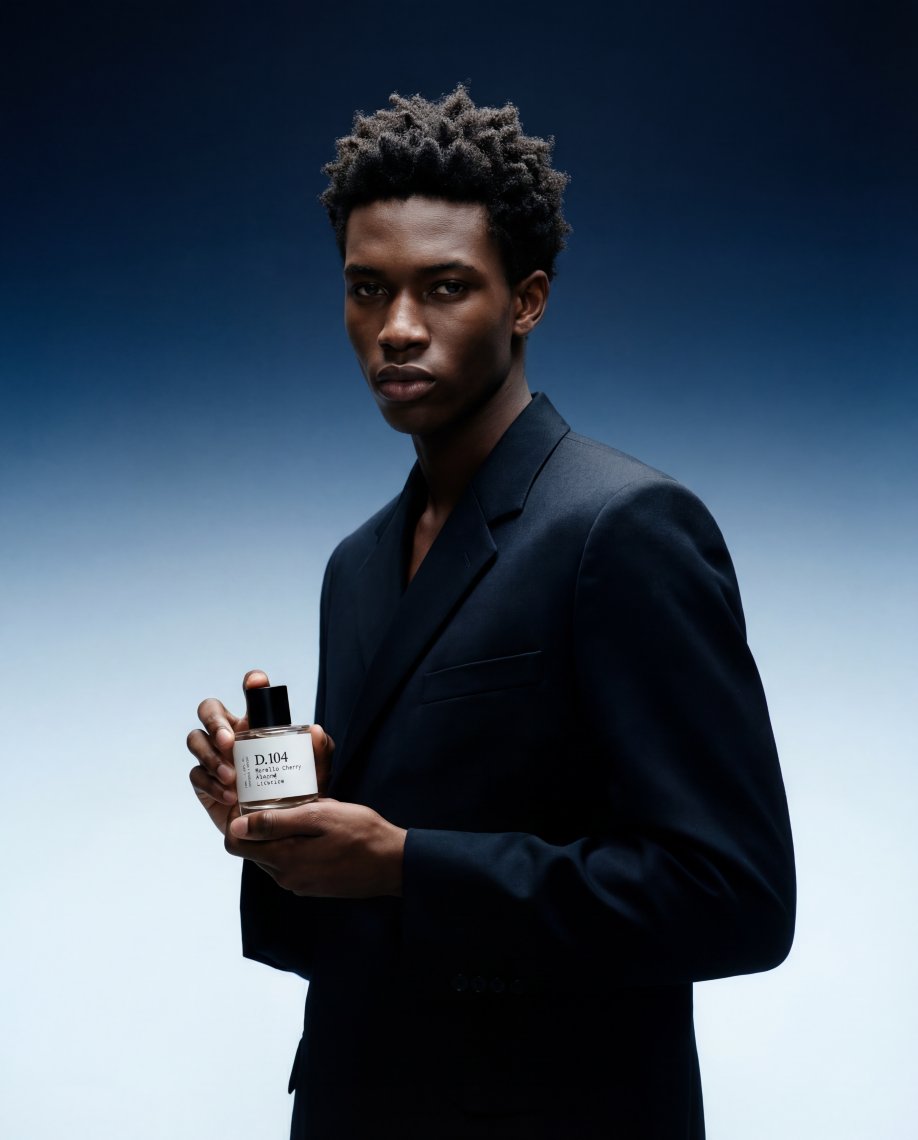
As e-commerce continues to dominate retail across categories, wellness products have proven particularly well-suited to online distribution. The subscription model employed by Lang Wellness LLC addresses one of the primary challenges in wellness product marketing: customer retention. By automating repeat purchases of consumable items like supplements and personal care products, the model creates predictable revenue streams while solving a practical problem for consumers who want to maintain consistent wellness routines without the friction of manual reordering.
The competitive landscape in online wellness retail remains fragmented, with numerous players targeting specific niches alongside larger generalist retailers adding wellness categories to existing platforms. The strategy of offering both breadth and specialized depth represents an attempt to capture market share across multiple consumer segments rather than dominating a single narrow category.
Industry observers note that transparency and curation have become increasingly important differentiators as consumers face overwhelming product choices and contradictory health claims. The emphasis on quality selection and efficacy-focused formulations reflects an awareness of consumer fatigue with exaggerated marketing claims that have historically plagued the wellness industry.