

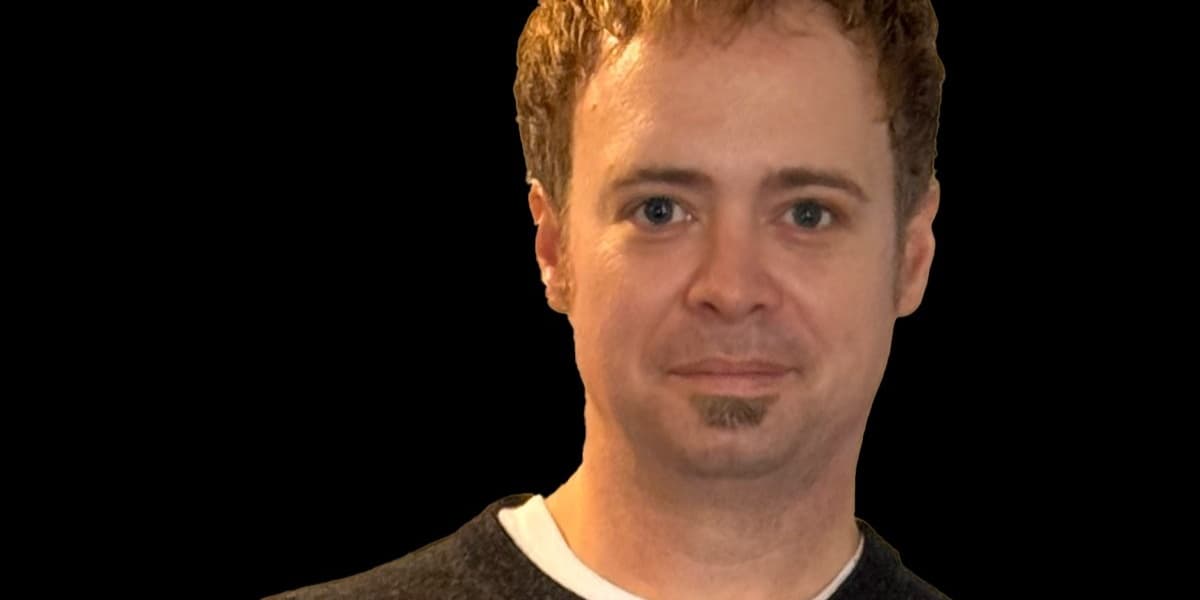
When Matthew Nyquist launched The Game Show in September 2002, the word "podcast" barely existed. Yet his gaming show would become one of the first, if not the first, podcasts ever created, and certainly the first dedicated to gaming. Now, more than two decades later, the pioneering program has returned with its original charm intact and a renewed energy that has propelled it to impressive new heights.
The show started simply enough. Nyquist, operating under his longtime online handle BreakmanX, had been experimenting with small video game websites since the late 1990s before founding BreakmanX.com in early 2001. The following year, he decided to try something different: a live audio show about gaming. The first episode opened with "Hey, what's up, this is BreakmanX," and every subsequent episode has maintained that greeting as a signature element.
What began as a casual project between Nyquist and co-host Richie quickly evolved into something much larger. As listeners began tuning in regularly, The Game Show adopted a live format with audience interaction that remains central to its identity today. The show built an engaged community of gamers who participated actively during broadcasts, creating a dynamic that set it apart from traditional media.
An early controversy inadvertently launched the show into wider recognition. After Nyquist made fun of the popular game Halo in several episodes, he began receiving detailed emails defending the title. To his surprise, the messages came from employees at Bungie, the game's developer. Rather than creating lasting friction, this incident led to a live interview with Greg Snook from Bungie that generated massive attention and substantially grew the show's audience. That same year, interviews with Tycho and Gabe from Penny-Arcade.com, whom Nyquist considered personal heroes, further elevated the program's profile.
The show's success extended beyond the podcast itself. The corresponding website cultivated an active community and provided coverage of major industry events, including the influential E3 convention. During this growth period, several large media companies expressed interest in the property.
The Game Show's influence on Nyquist's career proved transformative. The success of the podcast helped propel him into his dream graduate program at the University of Southern California's School of Cinematic Arts, where he studied under the mentorship of Fred Roos, the legendary producer known for work on Star Wars and The Godfather. This led to a career in Hollywood that eventually required Nyquist's full attention, leading him to stop producing the show after approximately ten years of continuous broadcasting.
An attempted relaunch under the name padinga.com showed promise and earned a feature in Wired magazine, but ultimately could not be sustained. Family matters brought Nyquist back to Kansas, where he now serves as a tenured associate professor at Washburn University while continuing remote work in the entertainment industry. He currently has a feature film titled Eyes Open in pre-production.
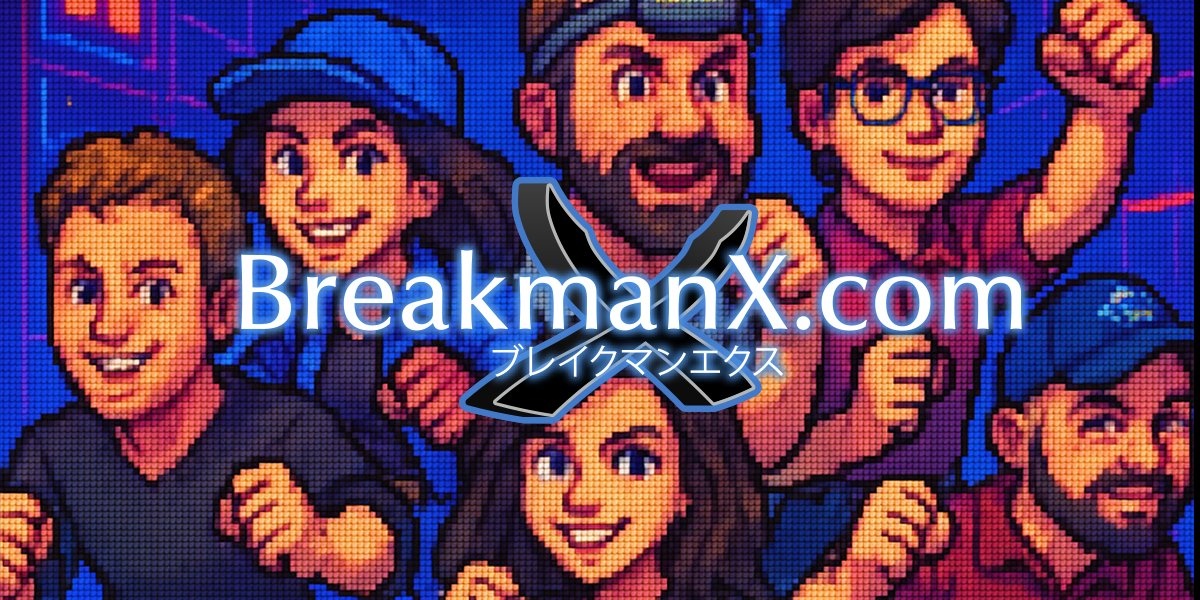
The current revival of The Game Show brings together both veteran voices and fresh perspectives. Original hosts Kevin Augspurger and Dustin Hall, who used the handles Jack Burt0n and Maul respectively, have returned alongside new additions Logan Bodenhamer, Darria Dennison, and Jess Seidel. This multigenerational approach allows the program to appeal both to longtime listeners who remember the original run and younger audiences discovering gaming podcast content for the first time.
The relaunched show's first year demonstrated strong momentum. The debut episode featured Emmy-winning Hollywood director and editor Allan Holzman, who has collaborated with Steven Spielberg. Subsequent episodes have hosted numerous successful gaming personalities from YouTube, leveraging Nyquist's industry connections and his ability to facilitate engaging conversations with guests.
Recent performance metrics from Spotify indicate the show has found substantial traction with audiences. According to the platform, the program is shared more than 76 percent of other shows, generates more comments than 89 percent of other shows, and retains listeners longer than 63 percent of other shows. Both YouTube and various podcast services have shown steady growth that has accelerated in recent months.
The program's appeal lies partly in its independence from corporate influence, allowing hosts to speak genuinely about games and gaming culture. The live interactive format continues to distinguish it from pre-recorded competition, creating real-time engagement that builds community. Each host contributes distinct expertise and perspective, creating a well-rounded discussion that can address gaming's extensive history while remaining relevant to contemporary developments.
As BreakmanX.com enters what many consider gaming's most dynamic era, with technological advances in virtual reality, cloud gaming, and artificial intelligence reshaping the industry, The Game Show occupies a unique position. Its roots in gaming's earlier decades provide historical context that newer podcasts lack, while its refreshed lineup keeps content accessible to audiences who may have discovered gaming more recently. For a show that helped pioneer an entire medium of content delivery, the return represents both a homecoming and a continuation of innovation that defined its original run.