

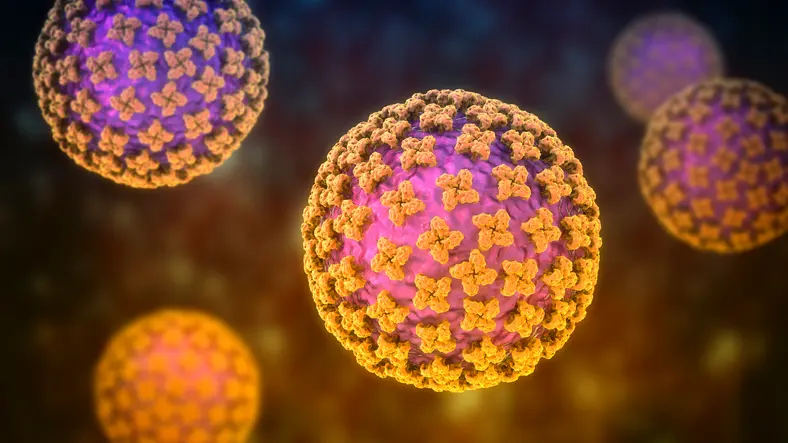
University of South Florida (USF) Health infectious disease and public health experts say the risk of hantavirus for cruise travelers remains low following a rare outbreak linked to a recent cruise ship voyage.
Hantavirus is typically associated with exposure to infected rodents. According to the U.S. Centers for Disease Control and Prevention (CDC), infection usually occurs through contact with rodent urine, droppings, or saliva. Human-to-human transmission is considered extremely rare and is not the typical mode of spread for most strains.
Although hantavirus infections in humans are uncommon, the virus can cause severe illness. According to the World Health Organization (WHO), serious cases may lead to respiratory illness with fatality rates reaching up to 50%.
“This is a rare event, and it’s important not to overgeneralize the risk,” said Sten Vermund, MD, PhD, dean of the USF College of Public Health and chief medical officer of the Global Virus Network, in a press release. “Hantavirus infections are typically linked to environmental exposure, not routine person-to-person spread or travel settings like cruise ships. In fact, this is the first-ever hantavirus outbreak on a cruise ship, and we still do not know whether there were unique circumstances.”
USF experts said in the recent cruise ship outbreak, health officials have reported a small number of severe cases. They said investigators believe passengers were exposed before boarding the ship, though the investigation remains ongoing.
Human transmission of hantavirus is extremely uncommon, but infections can occur when people breathe in dust contaminated by rodents, according to USF Health. The recent cases have been linked to the Andes strain of hantavirus, the only known strain capable of spreading between humans.
“Cruise ships have strong health and sanitation protocols, and there is no evidence that being on a typical cruise increases the risk of hantavirus,” Dr. Vermund said in a press release. “This hantavirus outbreak is a unique event, but we want to ensure that future cruise ship travel is as safe as possible. The industry already takes rodent control very seriously, which may help explain why outbreaks like this have not been seen previously.”
Although Port Canaveral was ranked the world’s busiest cruise port in December 2025, USF experts said the incident does not indicate a broader risk for Florida cruise travelers.
USF Health experts recommend travelers avoid contact with rodents or areas where rodents may be present, practice good hand hygiene and seek medical attention if flu-like symptoms develop.