

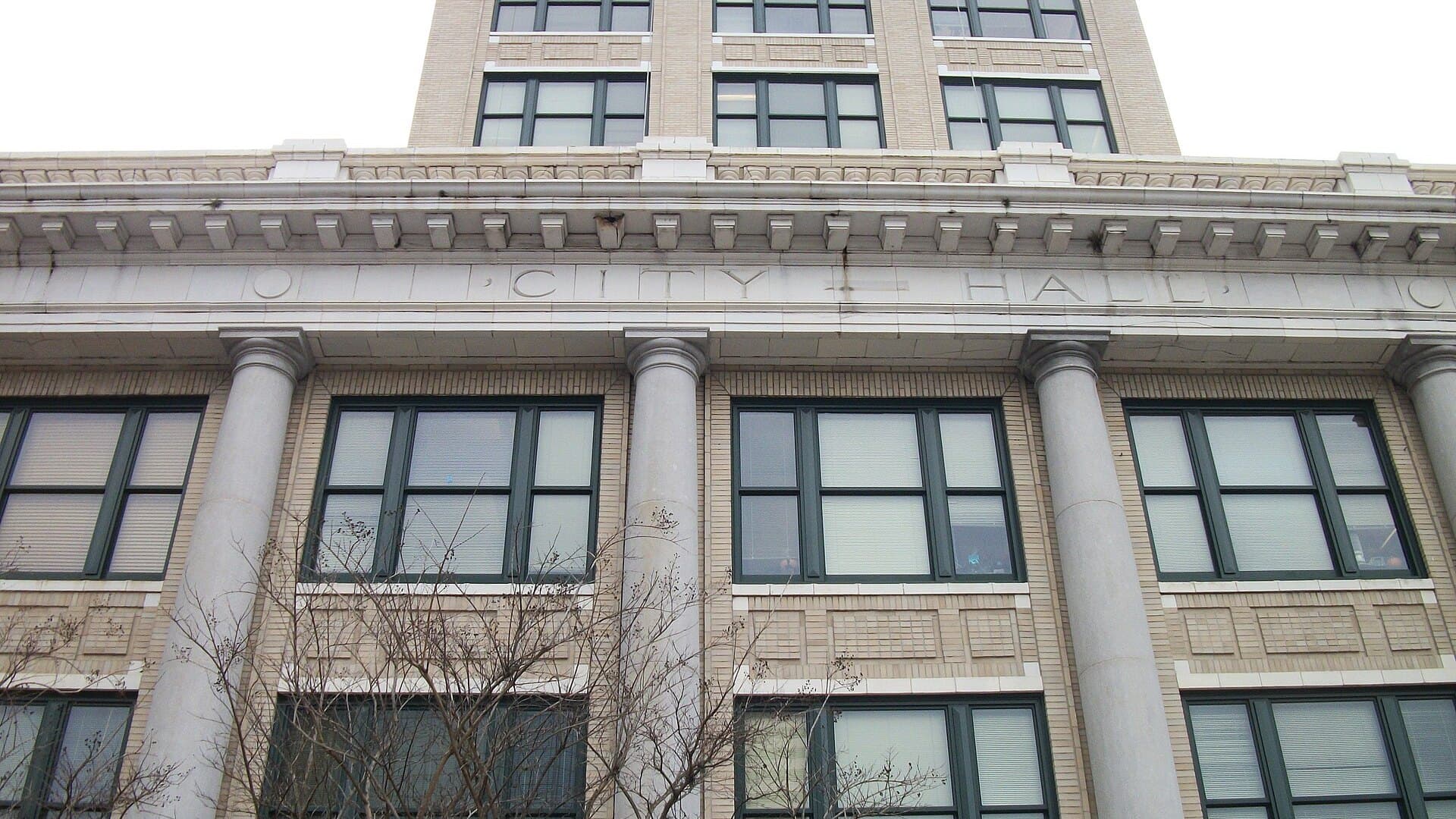
TAMPA — Two months after agreeing to put $80 million toward a new Rays ballpark, Tampa City Council members on Thursday will decide whether to line up the option of borrowing that money.
The item on today's agenda is a resolution that would authorize up to $80 million in city bonds for the stadium project and send them to a circuit judge for validation. It would not commit the city to any debt. If a judge signs off, council members would still have to vote again, and set the amount, interest rate and repayment term, before Tampa sells a single bond.
What the $80 million pays for
Under the development and funding agreement Tampa signed with Hillsborough County and the team's stadium company, the city owes its $80 million in four annual installments of $20 million. The money can only go to what the agreement calls public horizontal improvements, the infrastructure that directly serves the ballpark: streets, sidewalks, utilities, drainage, plazas and parking garages among them.
The agreement didn't say where the money would come from. City staff wrote in the agenda item that Tampa may need to borrow some or all of it, and the finance department recommended getting court approval up front so the city has legal cover if it decides to issue bonds later, Axios Tampa Bay reported.
How it would be repaid
The draft bond resolution says the debt would be paid from the city's non-ad valorem revenues, meaning general government revenue other than property taxes and stormwater fund money. The bonds wouldn't be a general obligation of the city, and any series could run as long as 30 years.
That language is drawing scrutiny. Michael Bishop of the Tampa Monitor, which tracks council agendas, noted in his preview that while the signed stadium agreement says the city's share of property taxes from the new stadium district will “repay” the money, the bond resolution says property taxes can't be used to pay the bonds. Depending on how the surrounding mixed-use district develops, he wrote, that tax revenue “may never cover the cost.”
Financing the contribution would also add interest costs. Axios noted that comes on top of the $100 million, plus interest, the city has already agreed to repay the Rays from future property tax revenue in the stadium district carved out of Drew Park.
Roads around the ballpark get a $10 million widening
The vote comes a day after the Hillsborough Transportation Planning Organization approved a $10 million package to widen roads beside the stadium site, WUSF reported. Tampa Bay Boulevard would go to four lanes from Dale Mabry Highway to Lois Avenue, with a new intersection at the stadium entrance, and Air Cargo Road would be widened to four lanes from Tampa Bay Boulevard to West Ohio Avenue. Federal and state transportation dollars cover the cost, and construction is expected to start in 2027.
The board voted 13–2. Hillsborough County Commissioner Joshua Wostal, a consistent opponent of public money for the stadium, was one of the no votes. “Is the money still guaranteed if the stadium dies for any reason, including a prevailing lawsuit?” he asked, without getting an answer. “There's just a myriad of reasons and outstanding documents that could still kill this deal and there's almost certainly going to be a legal challenge.”
The $2.36 billion indoor ballpark is planned for Hillsborough College's Dale Mabry campus. The city and county are capped at $876 million combined, and the Rays cover more than $1.3 billion plus any cost overruns, according to WUSF. The team plans to break ground in November and open for the 2029 season. TBO broke down the full deal ahead of council's August vote in our guide to the $2.36 billion stadium agreement.
This afternoon: an inspector general and new checks on the mayor
After the lunch break, at 1:30 p.m., council members return to the proposed city charter amendments they hope to put before voters in March. The package would shift some power from the mayor's office to council:
- An independent inspector general who could investigate city departments, employees and contractors, issue subpoenas and refer suspected wrongdoing to law enforcement. The IG would serve a five-year term after being nominated by a selection committee and confirmed by at least five council members, and removal would take five votes plus cause, Axios reported. The city's current internal audit department reports to the mayor.
- Overriding executive orders with at least five of seven council votes.
- Removing department heads and other top mayoral appointees after a public hearing, again with five votes.
- Closing a term-limit loophole so anyone who has served more than six years as mayor can't run again. It wouldn't be retroactive, so former Mayor Bob Buckhorn would still be eligible in 2027.
Mayor Jane Castor has called the changes a “power grab.” “Tampa's strong-mayor form of government has served our community well for generations, and hacking away at that system is shortsighted,” she told Axios. Council member Bill Carlson argued council has no recourse today. “We can't go to court. We can't get a judge to rule. We have no arbitration process,” he said. “There's no way to handle a dispute between the mayor and City Council.”
The Tampa Monitor noted that draft language for today's charter discussion still hadn't been posted to the city's agenda system as of its preview. After today, the amendments are scheduled to come back as ordinances for a first reading Nov. 5 and a final vote Nov. 19. Then voters get the final say in March.
Also on the agenda
- Nearly $74 million in federal disaster recovery agreements tied to Hurricanes Helene and Milton, mostly for stormwater and wastewater pump stations plus fire and police facility upgrades, on the consent agenda.
- A new parking agreement with the Lightning's arena company for the Pam Iorio and Fort Brooke garages, replacing a 1995 deal that expires in February 2027.
- A $250,000 state grant for a Tampa Police Department drone detection system.
- An increase in the Tree Trust Fund fee from $300 to $475 per required tree.
The regular session started at 9 a.m. at Old City Hall, 315 E. Kennedy Blvd. The meeting is open to the public.