

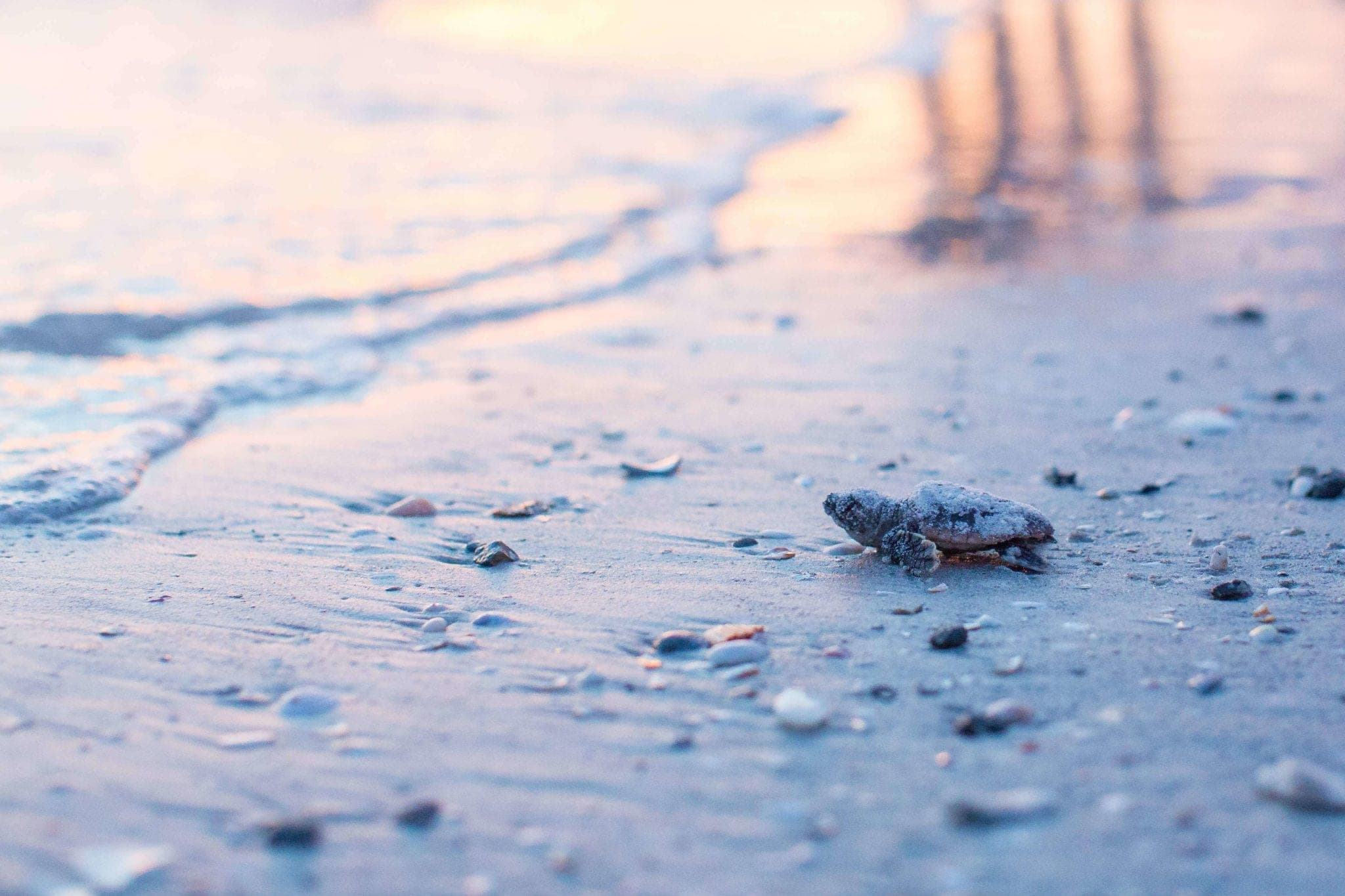
Sea turtle nesting season has begun and will continue through October 31, marking a critical period for adult turtles to lay their eggs.
The Clearwater Marine Aquarium (CMA) has launched its annual sea turtle nesting patrol and is reminding residents and visitors to remain cautious and follow community guidelines.
“Simple, thoughtful actions can make a real difference in protecting these animals during a vulnerable stage of their lives," said Carly Oakley, Sea Turtle conservation program manager at CMA in a press release.
In 2025, CMA reported 405 nests compared to 271 in 2024, the highest total the aquarium has reported in years.
Loggerhead sea turtles remain the most common nesting species in the region. The loggerhead, along with green sea turtle, leatherbacks, Kemp's ridleys and hawksbills are all listed as threatened or endangered.
“At the same time, it reinforces how important it is to remain vigilant in protecting these species and the habitats they rely on," said Oakley.
Artificial lighting continues to be one of the most significant threats to nesting turtles and hatchlings, causing disorientation. CMA works with communities to reduce light pollution.
“Even small changes—like using turtle-safe lighting or closing blinds at night—can have a meaningful impact,” Oakley said.
Despite patrolling and other conservation efforts, survival remains a challenge during nesting season. CMA said nearly 90% of hatchlings don't make it to the ocean.
Human activity such as litter, beach furniture, holes in the sand and sandcastles can also impact their chances of survival.
CMA has 10 tips to help protect sea turtles during nesting season:
Dispose of all trash properly, especially plastics that turtles may mistake for food
Fill in holes and flatten sandcastles before leaving the beach
Keep a safe distance from turtles and hatchlings; never touch or disturb them
Report distressed turtles to CMA’s Emergency Hotline: 727-441-1790 ext. 1
Avoid flash photography near nests or turtles
Do not use flashlights or phone lights on the beach at night
Install sea turtle-friendly lighting for homes and businesses
Use window coverings to limit indoor light reaching the shoreline
Report injured or stranded turtles to the FWC Wildlife Alert Hotline: (888) 404-3922
Share these guidelines to raise awareness and support conservation
CMA said the first nests are generally found in mid-May, with females continuing to nest through mid-August. Residents and visitors are encouraged to avoid nesting sites and remain mindful of bright lights from homes, which can disrupt nesting activity.