

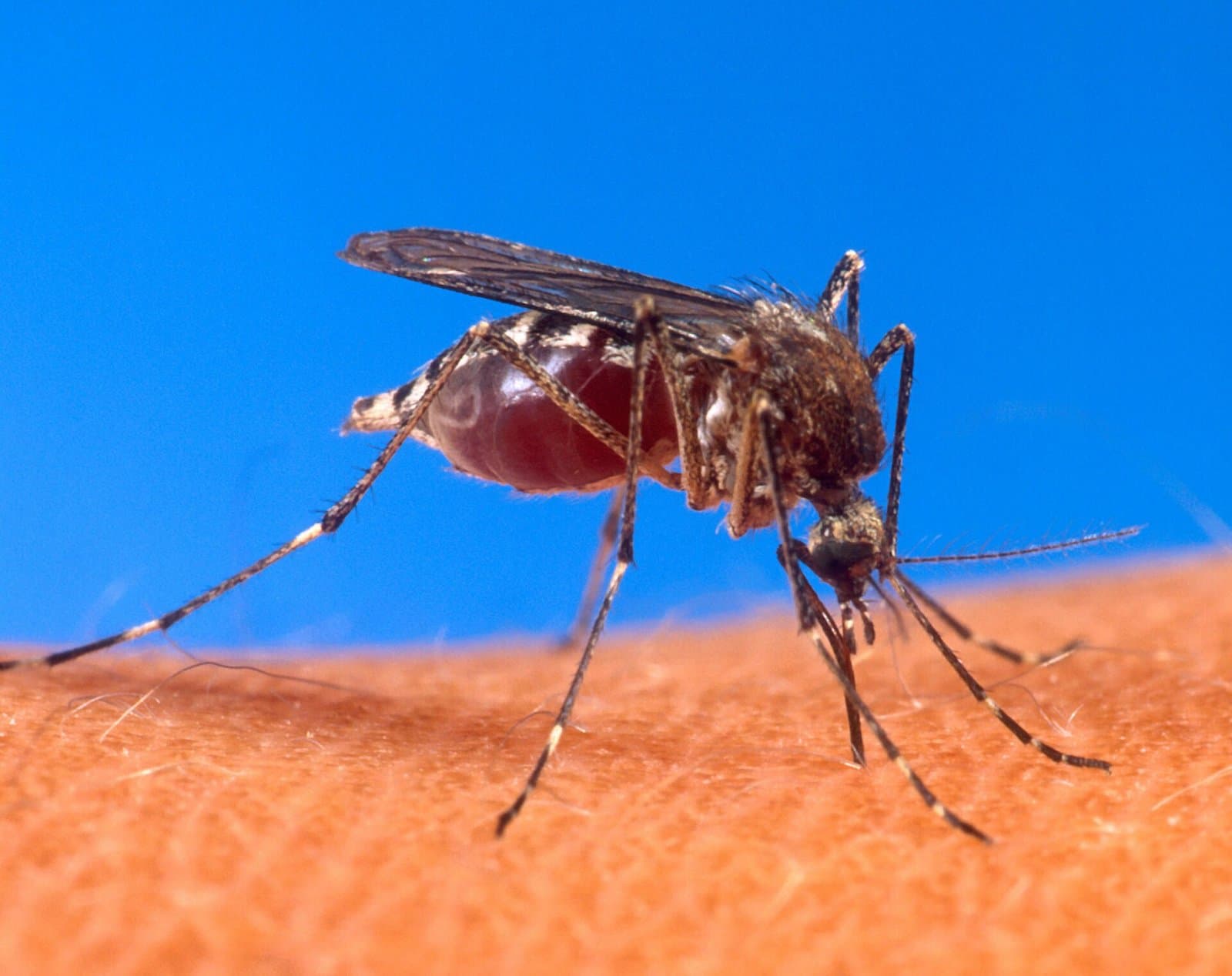
ST. PETERSBURG — If you hear a helicopter buzzing the treetops over your neighborhood in the next few days, it may be mosquito control.
Pinellas County is teaming up with Lee County Mosquito Control to spray a fine mist of larvicide from low-flying helicopters over parts of St. Petersburg and Clearwater, the county's first aerial push in its fight against the dengue outbreak. Until now, Pinellas has relied entirely on trucks, FOX 13 reported.
When it could start
Flights could begin as soon as this week, but the county hasn't set dates or picked neighborhoods yet. Officials are waiting on clearance from the Federal Aviation Administration and need dry, calm weather, since wind and rain keep the mist from reaching its target, according to 10 Tampa Bay.
When they do fly, it'll be between 9 a.m. and 3 p.m. Alissa Berro, director of Pinellas County Mosquito Control, said daylight is about pilot safety, since the helicopters fly roughly at treetop height over a crowded county full of trees, antennas and towers. “These helicopters are going to have to fly low for the pilot's safety. They need to be able to see obstacles,” she told 10 Tampa Bay. The station noted the decision follows a fatal crash in Manatee County last week, when a mosquito-control pilot struck a radio tower.
The county says it will post the schedule and target areas online once they're set. The fastest way to know if your street is on the list is to sign up for Alert Pinellas text or email notifications.
What's being sprayed
The helicopters will mist Bti, short for Bacillus thuringiensis israelensis, a naturally occurring soil bacterium that kills only mosquito larvae and black flies. It's the same active ingredient in the mosquito dunks and bits sold at hardware stores. The county says it isn't harmful to people, pets or pollinators.
Pinellas has its own helicopter, but it can only drop larvicide as pellets over big areas like swamps and tidal flats. Lee County's aircraft can spray it as a liquid, and that's the point. The mosquito behind this outbreak, Aedes aegypti, breeds in tiny pockets of water around homes.
“The advantage of doing this in a liquid form is that Aedes aegypti really likes a lot of cryptic areas,” Berro said. “They only need a bottle cap of water.” A mist, she said, can get “into those nooks and crannies” that residents and crews miss.
A few practical notes from the county's dengue FAQ: you may notice small droplets on your car afterward, which rinse off with water. If the mist lands on you, regular washing is enough. And the helicopters make tight back-and-forth passes, like mowing a lawn, so expect noise for a while.
Why now
Cases keep rising. Pinellas had 37 confirmed dengue cases since August as of the Florida Department of Health's Oct. 15 report, and the Tampa Bay region had 351, 10 Tampa Bay reported. Hillsborough has more than 300 of Florida's roughly 370 cases, according to FOX 13, and is running its own aerial treatments this week across about 225,000 acres from Carrollwood to FishHawk Ranch. The state's next weekly report is due Thursday.
“We have never actually seen this level of dengue fever before,” Berro said. “This is our first time in recent history to have any reported local cases.”
Pinellas remains under the local state of emergency commissioners declared in September. On top of the helicopters, the county has hired extra trucks from Clarke Mosquito Services for overnight fogging. Those trucks carry both Clarke and Pinellas County branding and may have out-of-state plates, and fogging can start as early as 11 p.m. Uniformed county crews with ID badges are also going door to door in at-risk neighborhoods, asking permission to help dump and treat standing water.
There's no end date. “We are following the data,” Berro said, and cooler weather only slows mosquitoes down. “There is never a time in Florida that we don't have mosquitoes.”
What you should still do
“This is not a silver bullet,” Berro told FOX 13. “We still need everybody's help because we can't cover every area and these mosquitoes specifically breed in those containers around everybody's home.”
- Dump standing water once a week from buckets, tires, kids' toys, plant saucers, bromeliads and kiddie pools.
- Cover up in light-colored long sleeves and closed-toe shoes, day and night. Aedes aegypti bites during the day.
- Use an EPA-registered repellent with DEET, picaridin, IR3535 or oil of lemon eucalyptus.