

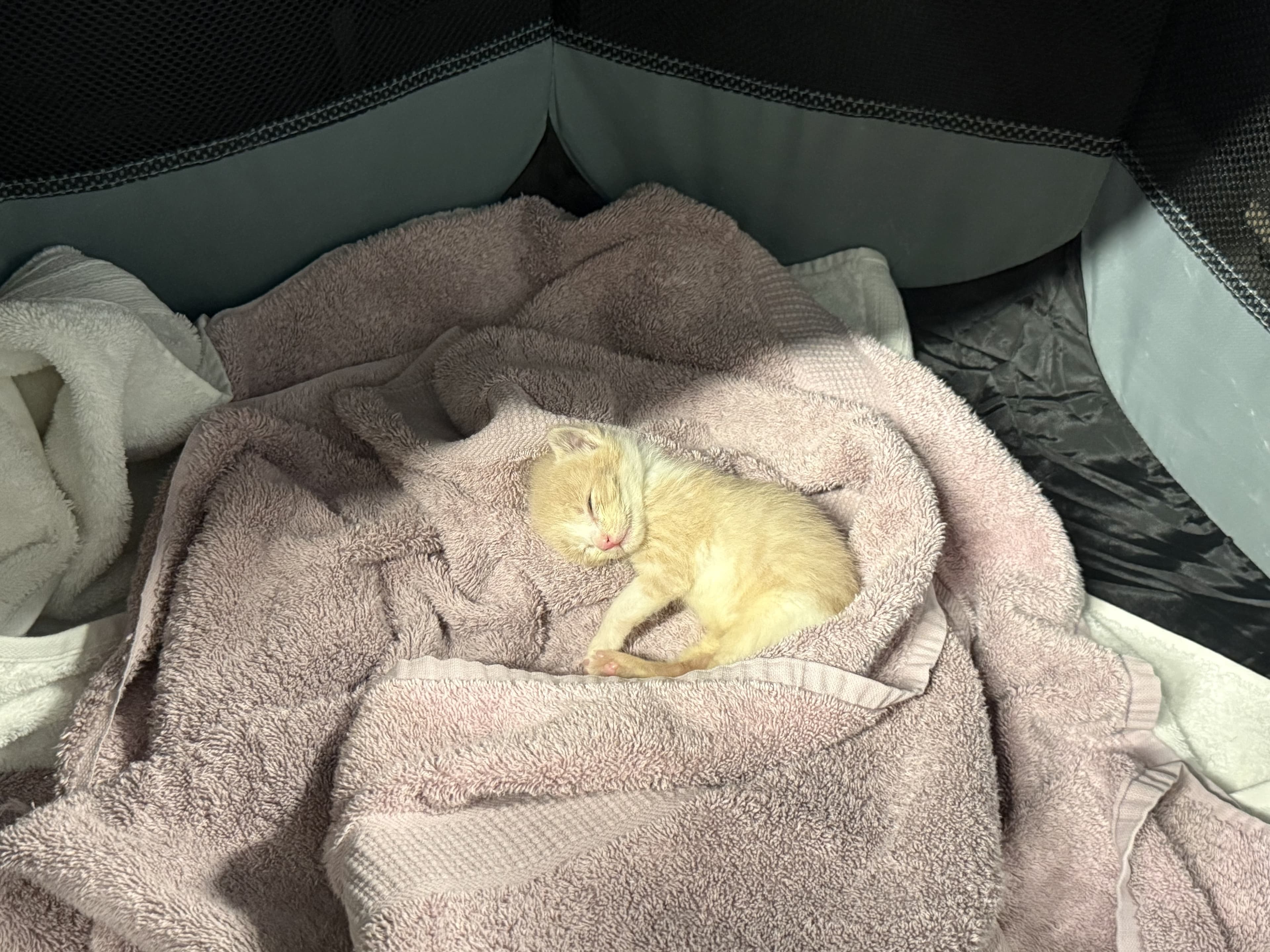
When temperatures rise, cats begin mating more frequently and reproducing at higher rates. These warmer months are known as kitten season, and local rescue facilities say the community’s help is needed to reduce the growing number of stray and feral cats.
Warmer weather brings more cats out from hiding and creates longer breeding periods during the spring and summer months. Rescue organizations say kitten season has also started lasting longer each year.
“Kitten season has progressively gotten worse each year because it's extending longer,” said Humane Society of Tampa Bay marketing director Regan Blessinger. “Last year we had over 2,000 kittens, and we aren’t the only ones taking in these kittens.”
A single pair of cats can produce thousands of kittens within just a few years. In Hillsborough and Pinellas counties, rescue organizations say the feral cat population continues to increase each year.
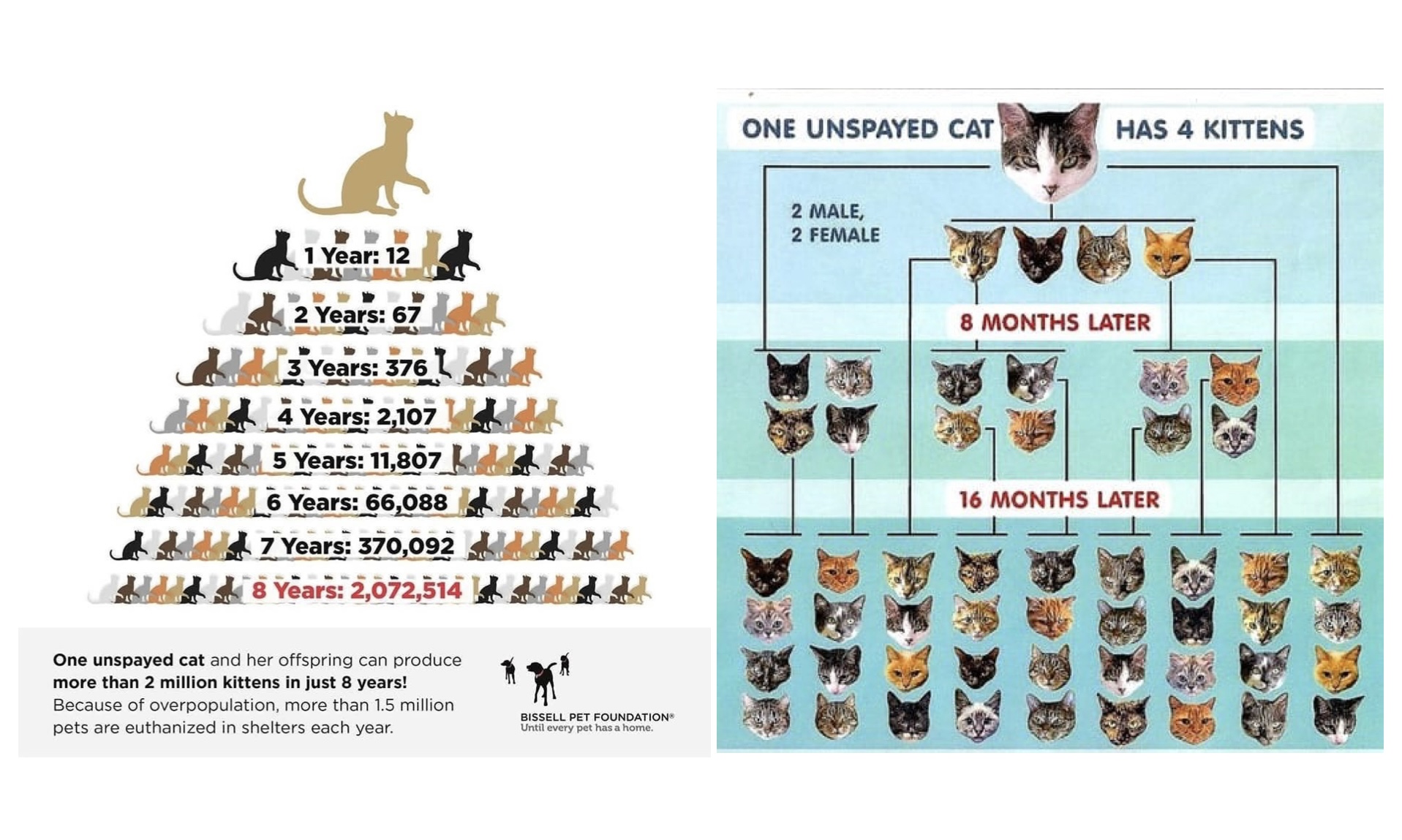
The overpopulation has become so severe that some shelters and rescue organizations are forced to euthanize animals because of limited space and resources.
“Animals in our communities are dying because of the lack of information and commitment by residents thinking it's okay to leave cats unspayed and unneutered,” said Mercy Full Project founder and director Heydi Acuna.
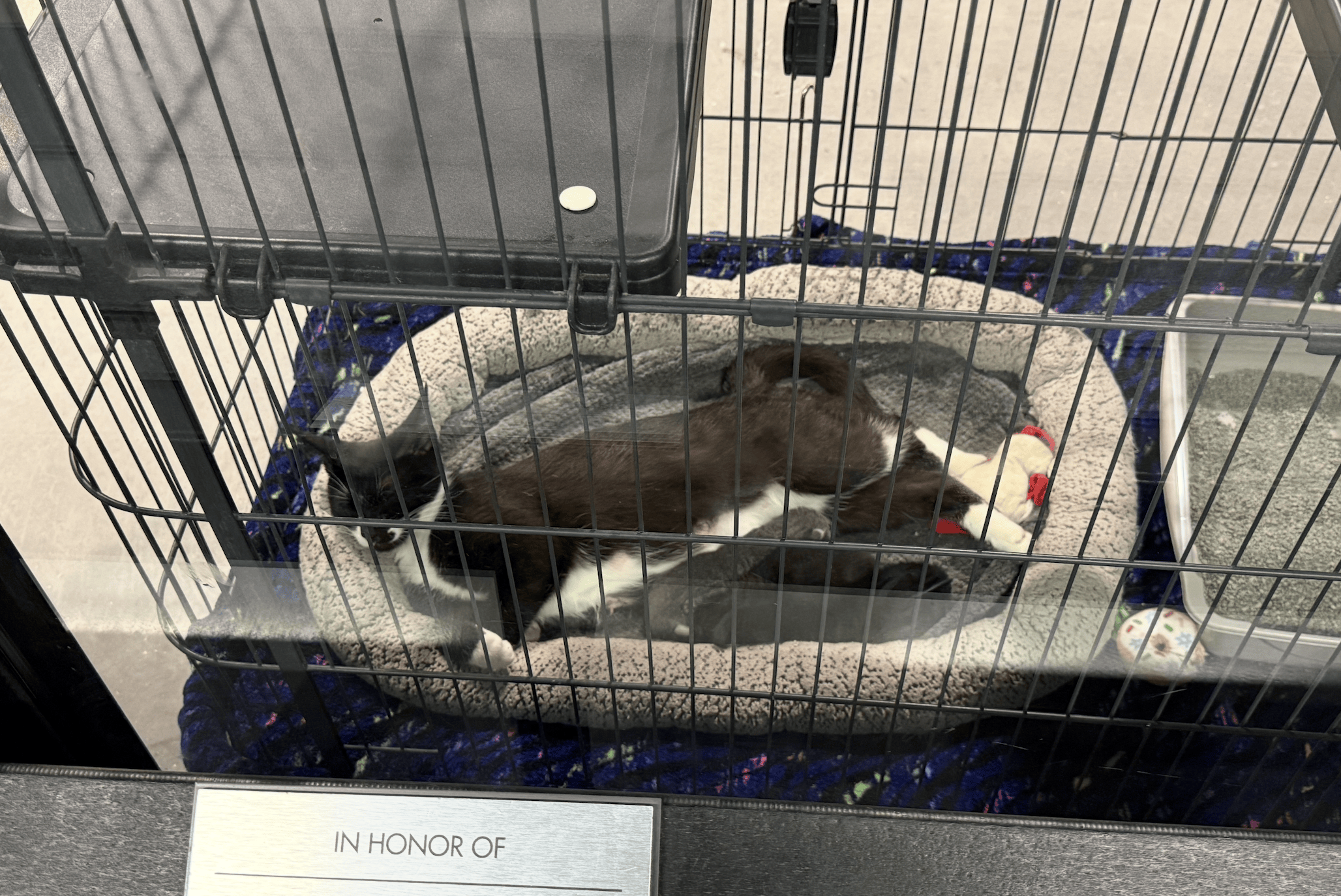
Right now, the Mercy Full Project has about 60 cats in its care. The organization is primarily foster-based and only has eight kennels at its facility, making overcrowding a challenge during kitten season. Acuna said only about 10 cats were adopted last month.
“This is a true crisis and we need to let people know that they can help one cat in their neighborhood by learning how to trap, neuter and release,” Acuna said.
The Humane Society of Tampa Bay sees an increase in cat adoptions during kitten season and has more space to care for kittens than smaller rescues. Residents can drop off found cats and kittens from 8:30 a.m. to 4 p.m. seven days a week.
“If we are not open when you trap a feral cat, we ask people to keep them in a bathroom until we open or try other rescue centers,” Blessinger said.
Blessinger said if residents find a litter of kittens alone, they should wait a few hours before intervening because the mother may be out searching for food. Separating kittens from their mother too early can lower their chances of survival.
If kittens are abandoned or brought in without their mother, rescue groups work to place them into foster care where they can receive medical treatment and around-the-clock attention. Newborn kittens often require bottle feeding during the first several weeks of life, creating a strong need for foster volunteers during kitten season.
Trap, neuter and release programs are considered one of the most effective ways to reduce the feral cat population and improve cats’ health. Cats that go through trap-neuter-release programs are often ear-tipped so rescuers know they have already been fixed.
“If you own a cat and they are not spayed or neutered, they shouldn’t go outside,” Acuna said. “People think cats can live outside and come back, but they can mate and you won’t even know.”
If a female cat continues reproducing, it can increase the risk of uterine cancer and other infectious diseases. Male cats that are not neutered are at higher risk for testicular cancer, hormone imbalances, aggressive behavior and territorial spraying.
“People are afraid they have to pay for the neutering, and there are a lot of affordable places to spay and neuter,” Acuna said. “We need to break that taboo that when you trap a cat it will cause you a lot of money and resources, because it won’t.”
Acuna also said some residents fear stray cats may carry diseases, which discourages them from helping. She encourages people to safely contain cats in a bathroom or garage and reach out to rescue groups for low-cost spay-and-neuter resources around Tampa Bay.
At the Humane Society of Tampa Bay, adoption fees help fund veterinary care and spay-and-neuter services. Kittens are not adopted out until they are spayed or neutered, which typically happens once they reach about 2.5 pounds. The organization also provides supplies and resources for residents fostering cats or kittens they have trapped.
For pet cats that spend time outdoors, Acuna said owners should make sure they are microchipped and fixed.
“Be a part of the solution, not a part of the problem,” Acuna said.
While kitten season brings an influx of adorable newborns, rescue organizations say it is important for the community to understand the risks of overpopulation and take an active role in helping reduce the number of stray and feral cats through fostering, adopting and trap-neuter-release programs.