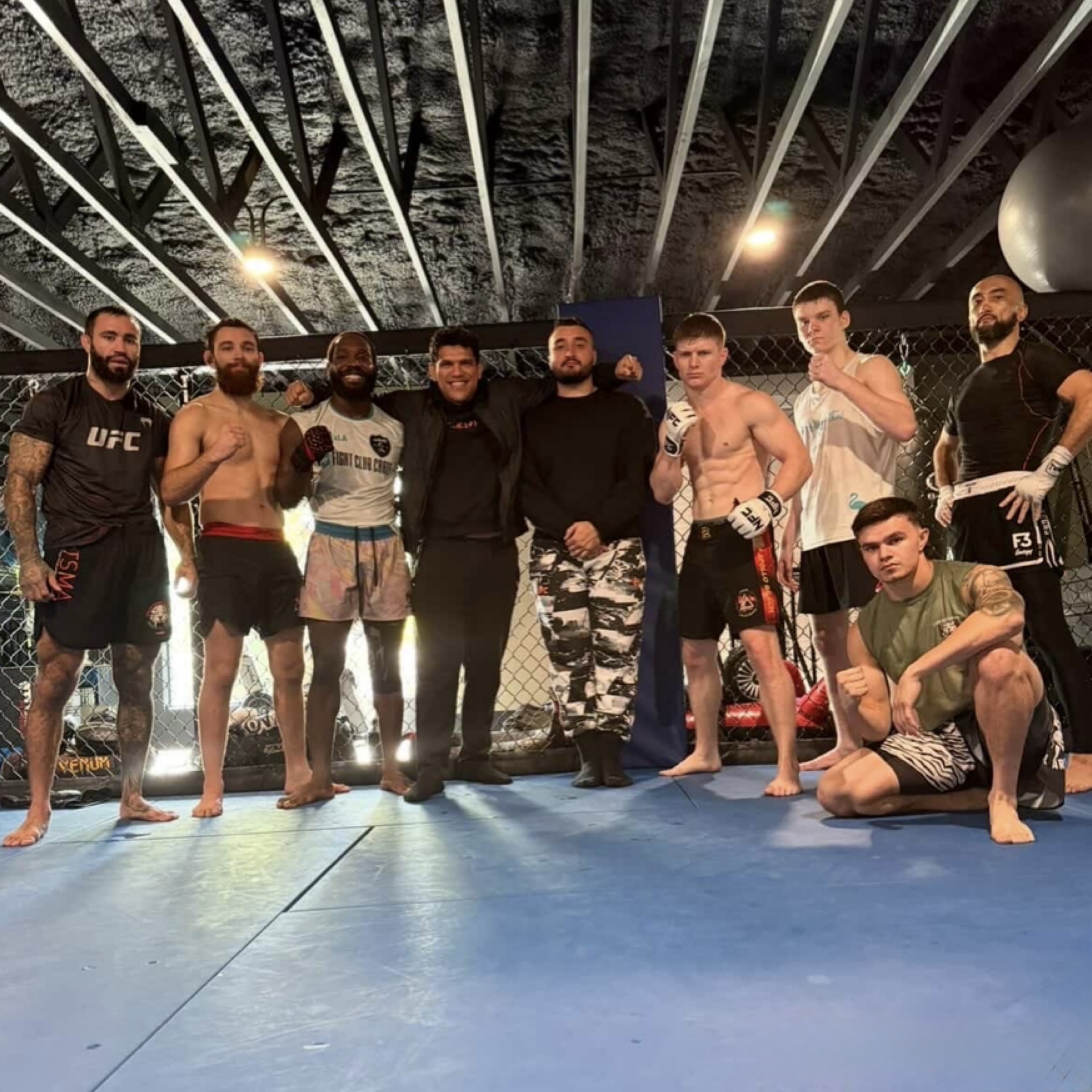
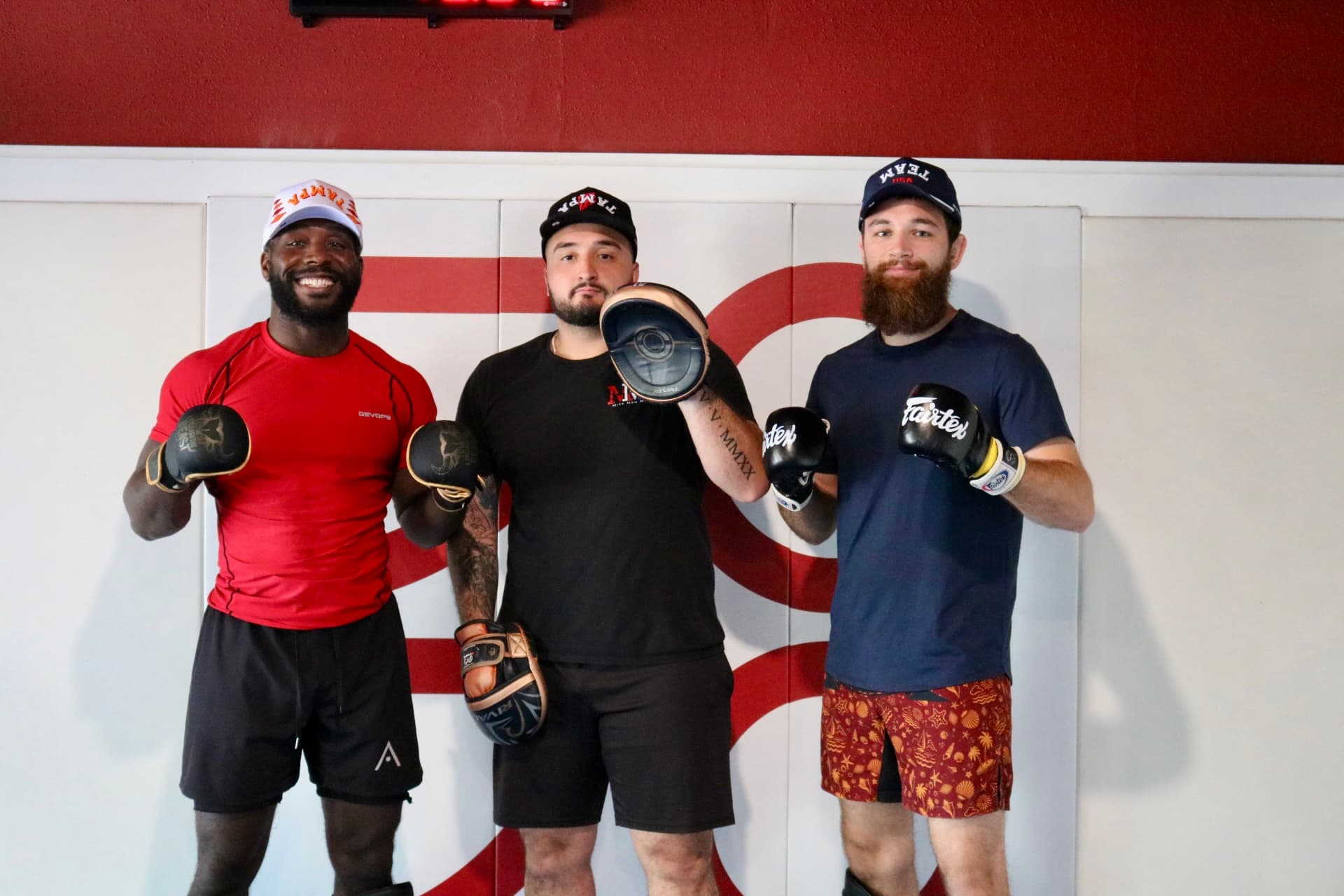
In the octagon two fighters circle, waiting for the moment to strike. The crowd roars as gloves snap and sweat flies under the heat of the arena. Just outside the cage, Manny Fernandez doesn’t flinch.
Leaning forward in the corner, he watches every movement like a playbook unfolding in real time, his voice cutting through the chaos between rounds. From gyms in Tampa to the sport’s biggest stage, his words carry as much weight as the punches thrown inside the cage.
But long before he was the one giving instructions, Fernandez was just a kid trying to find his place and hold onto his father. Raised by a single mother who worked two jobs, the gym became more than just a place to train. It became an escape.
At 11 years old, his father put him in the gym. The goal was to build confidence and learn protection. It was a way to stand up to bullies.
“I am the youngest of three, but we didn’t have a lot in common,” Fernandez said. “When I was at the gym, I started meeting older people who became brother figures.”
From the first punch at 11, the spark ignited. Training became structure and a purpose.

In high school, Fernandez wrestled and trained relentlessly at Brandon High. When he was finally old enough to drive, he pushed even further. He was making trips across the state to South Florida to train with high-level fighters, including Colby Covington.
It was everything to him. More than that, it became the one thing that tied him to his father. Their relationship wasn’t simple. Built on different moral compasses and long stretches of distance, it was toxic. In the gym, they met eye to eye. They would sit in the sauna while Fernandez was cutting weight and he would watch Fernandez wrestling matches. There was a connection, even if it was unspoken.
Then, the fight changed.
Fernandez's father had been battling cancer since he was 12 years old. He had a tumor on his liver the size of a softball. Treatments and chemo came and went, so did communication. For months at times, they wouldn’t speak. Until one morning when Fernandez was making breakfast.
They hadn’t spoken in a year.
“We weren’t talking for a year after an intense altercation,” Fernandez said. “Then I got a message saying he didn’t have much time left and he wanted to see me.”
He paused.
“I broke down crying. You grow up thinking your dad is this tough guy, like nothing can hurt him. After that, it became a waiting game.”
Day by day, he watched his father fade away.
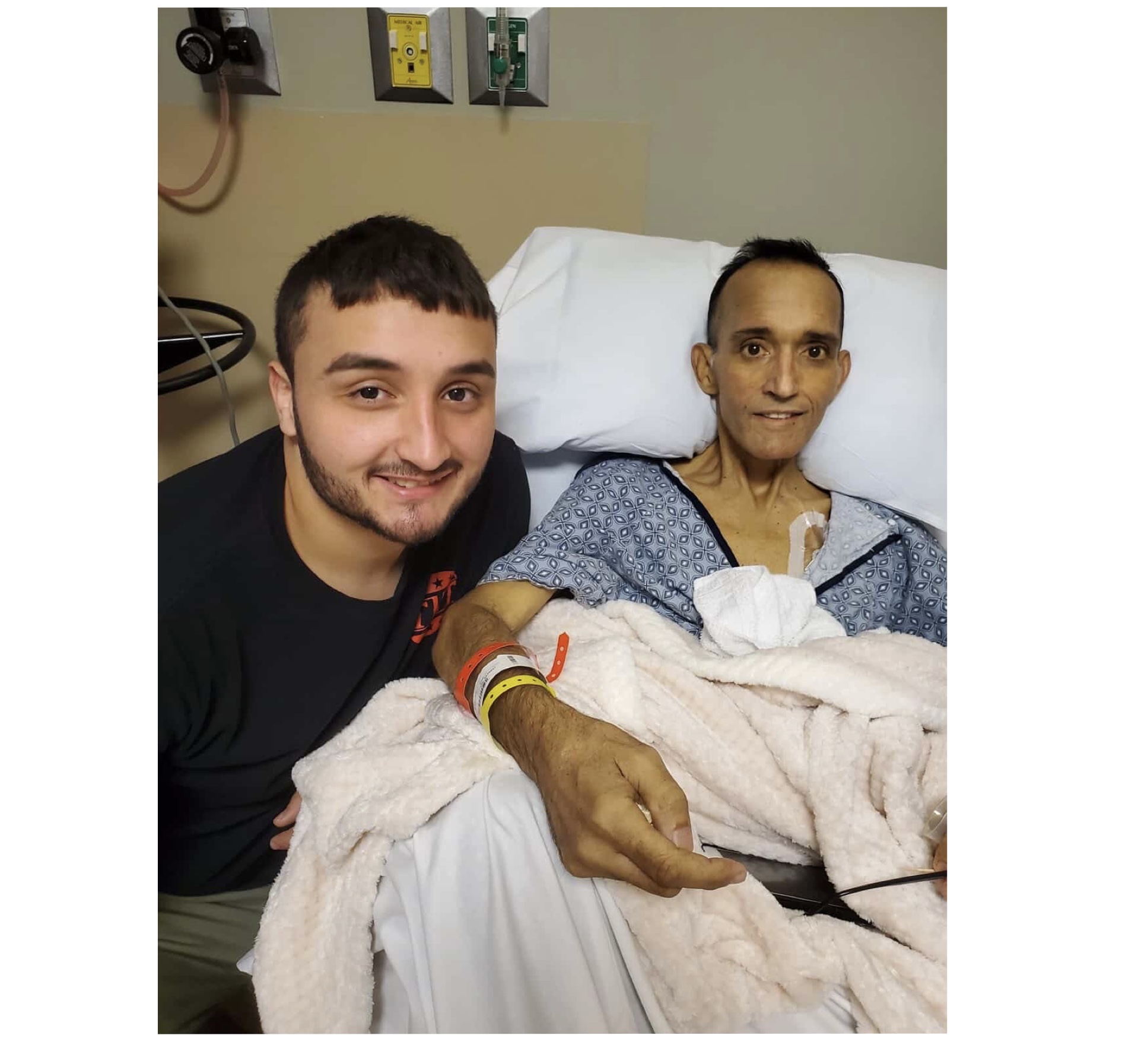
The man who had pushed him into the gym, was now lying in the same hospital Fernandez was born in.
When his father passed, everything unraveled. He lost his anchor.
For the first time, this structure that defined his life didn’t feel the same. That fire started to burn out. He tried to move forward. He went to college at 20, but dropped out.
“Training since I was 11-years-old, I realized I didn't have that same drive anymore. Training as a kid provided discipline and fire. I didn’t feel that anymore,” Fernandez said.
He returned to Tampa, taking random jobs while he tried to figure out what was next.
At 21, he was working as a nightclub bouncer.
“I was on my way to work. Ago Huskic called me and said he was a last minute replacement for an event during playoff season in Atlanta, will you come with me?,” Fernandez said. “So, I took off from my nightclub job and flew to Atlanta.”
With no hesitation, he left his job to train Huskic.
Huskic was in a semi-tournament for a Million Dollars and it was televised on ESPN.
“Seeing fighters I looked up to was a feeling I can’t explain. I haven't fought for a year at this time and now I’m getting him ready for the biggest fight of his career. This sparked that moment that maybe I could be a coach,” he said.
After leaving Atlanta, Fernandez committed to coaching. He worked odd jobs to survive while he trained fighters on the side, building connections where he could.
“I was putting myself out there and I worked very hard on getting connections,” he said.
Doubt still followed him.
“I never went professional. I was never the best competitor,” Fernandez said. “People would ask, ‘What does he know about training?’”
It was a stigma he couldn’t escape. It was like an unspoken rule in the sport that great trainers had to be great fighters first.
His break came when he began working with boxer Marlin Sims, eventually stepping into a major opportunity with Showtime Boxing.
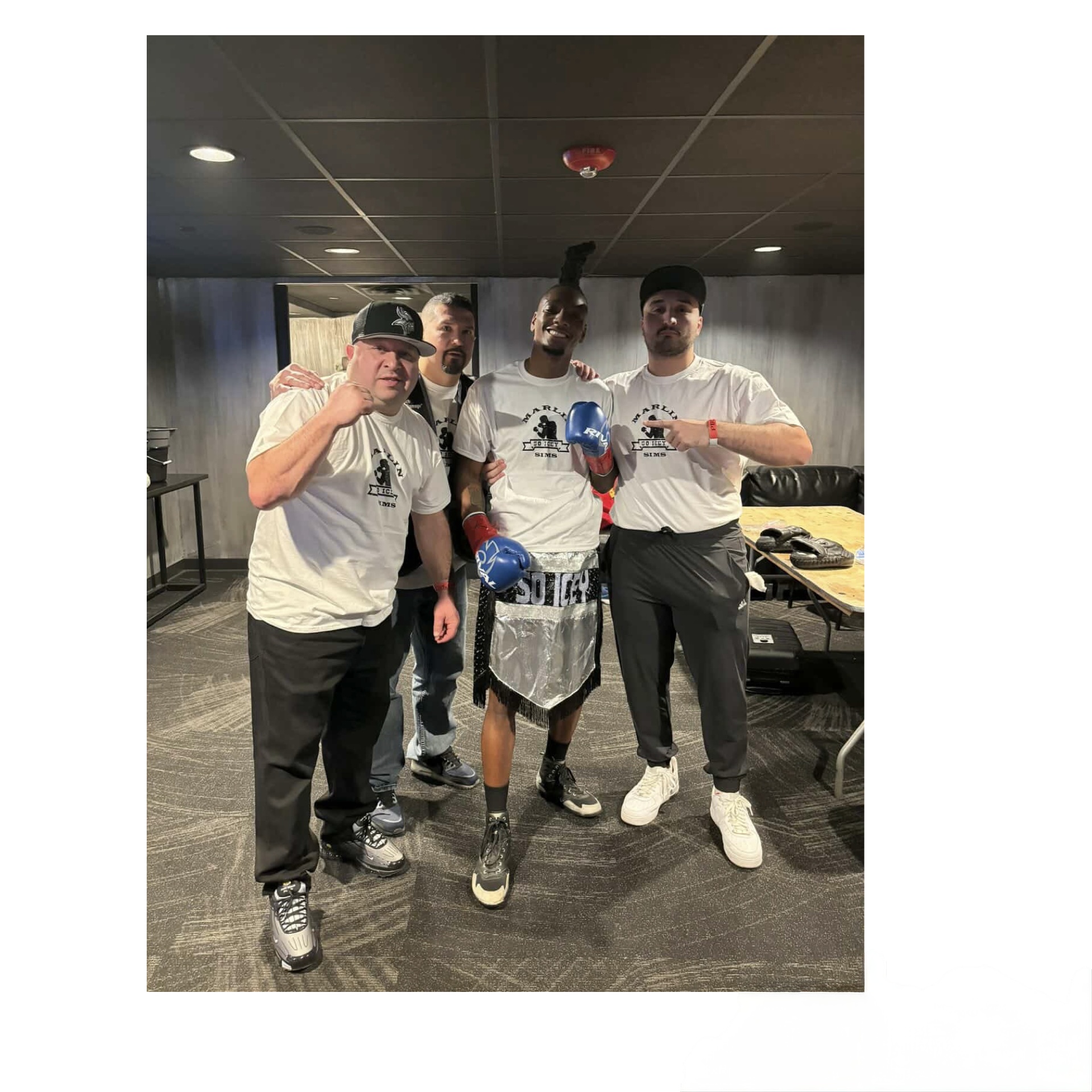
Standing in arenas packed with more than 20,000 people, the weight of it all hit him.
“I realized I was a baby coach,” he said. “These other coaches are 40 years old and here I am. It was stressful. Most people work their way up slowly and I just jumped all in.”
From here, that was when another turning point happened. He trained with Billy Quarantillo, who gave Fernandez the opportunity to prove himself on an even bigger stage.
People around the country started recognizing Fernandez. He started training Jalin Turner in California ahead of a major fight.
“He knocked out Barboza and ever since then, I just started getting opportunities,” Fernandez said.
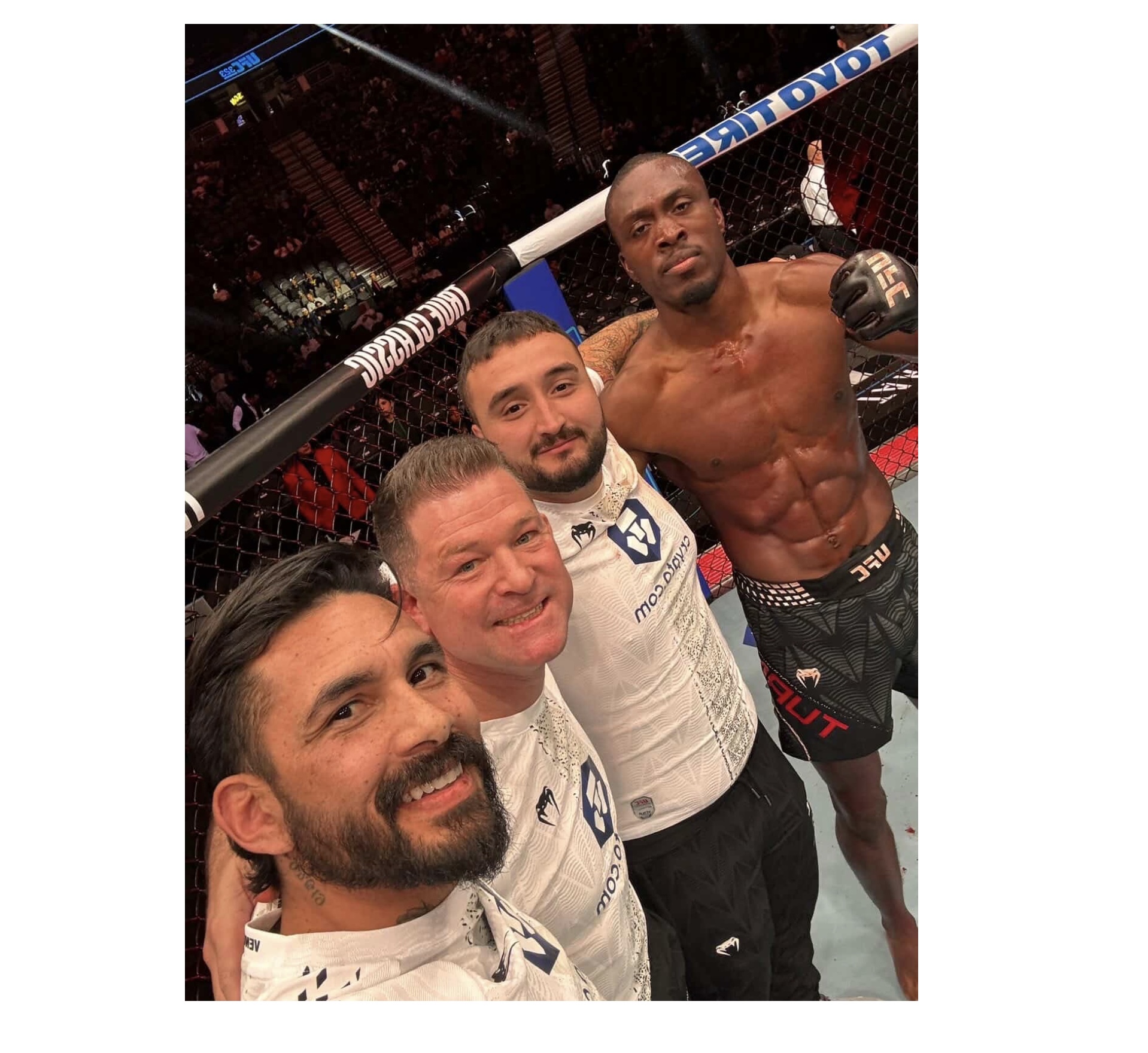
Each step forward carried the weight of everything he went through. From loss, doubt and the question of whether he belonged.
The crowd sees the punches and winners, but he sees the moments that lead up to all of this.
He never became the fighter people might have expected, but he stayed in the ring anyways.
“If you have a dream and someone says you can’t do it, know that you can,” Fernandez said. “I had the odds against me. I found a way through it and now I help other people do the same.”
Just outside the cage, Manny Fernandez found his place. He’s learned the most important moments aren’t the ones you see, but everything that leads up to them, whether in life or in the ring.