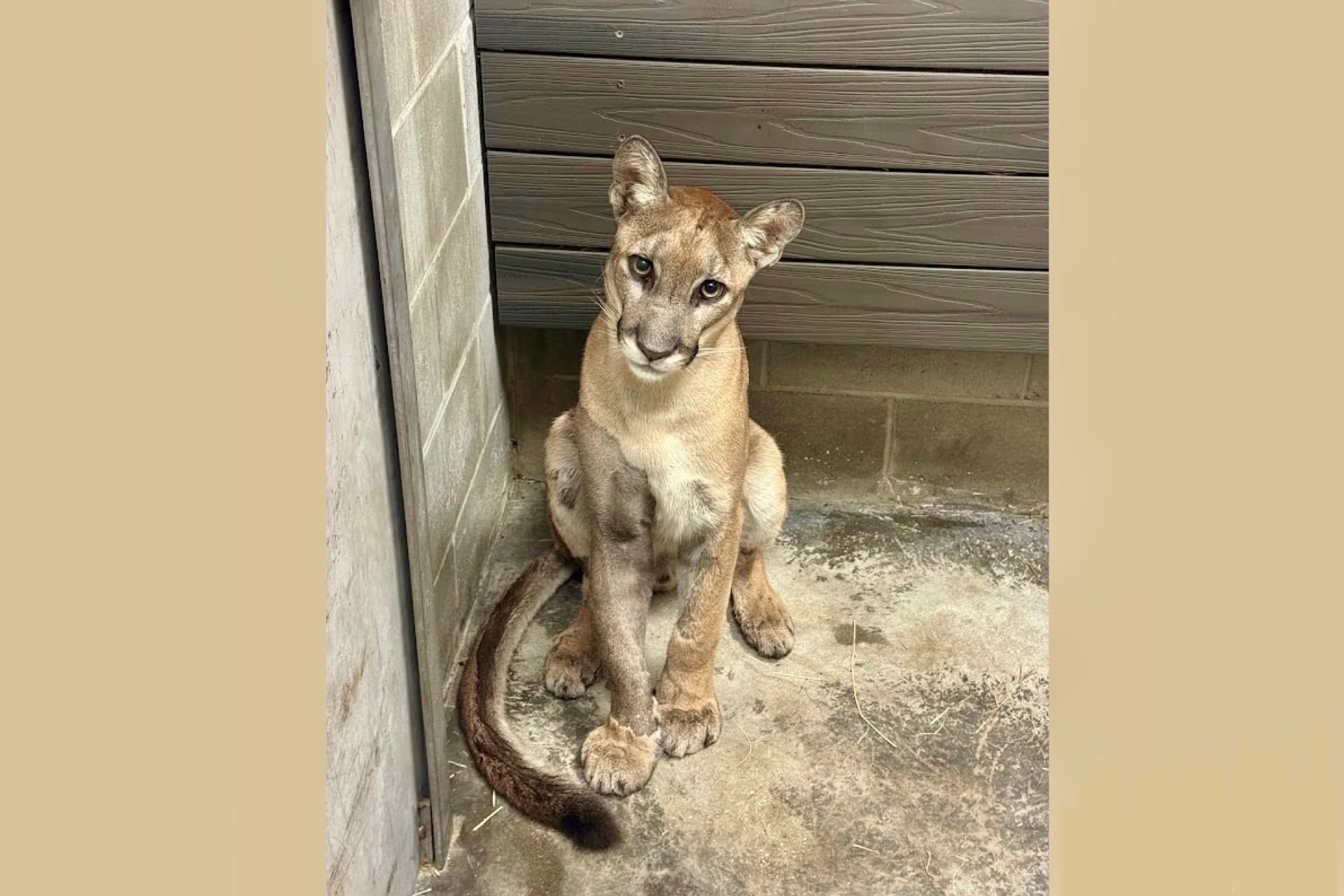
A young Florida panther was injured in a car collision last year and has found his permanent home at Zootampa at Lowry Park after wildlife officials determined he could not return to the wild.
Loper is around two years old and his rehabilitation journey is one example of the dangers Florida Panthers experience on roadways and the collaboration between wildlife organizations working to protect the endangered species.
This young panther was struck by a car in Southwest Florida. The Florida Fish and Wildlife Conservation Commission (FWC) arrived on the scene and coordinated with facilities to treat Loper.
Jaime Vaccaro is the curator of Florida and marine life and she said Loper is one of many panthers who deal with car collisions.
“The number one cause of fatalities are car collisions. Typically when the FWC releases the yearly Panther Report, it’s about 15 to 20 panthers a year and I think last year had even greater numbers,” Vaccaro said.
After the accident, Loper was transported to the BluePearl Speciality + Emergency Hospital in Fort Myers.
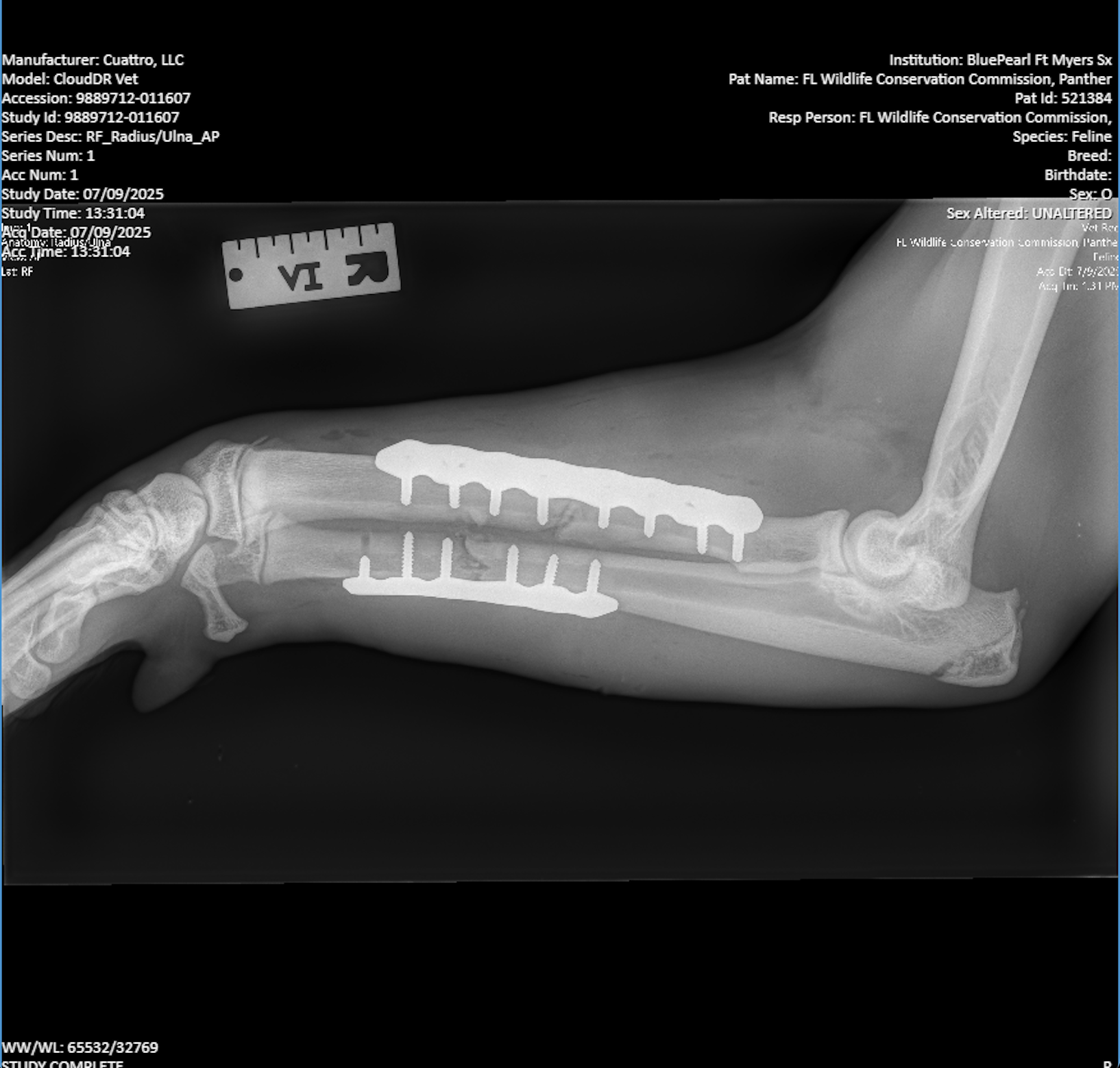
In a press release, Dr. Oscar Carballow said Loper sustained a right radius and ulna fracture. He had some minor lacerations and the doctors stabilized both bones with plates and screws to help repair his leg.
He was then chosen to recover at ZooTampa. The zoo created a controlled rehabilitation environment to help minimize movement and reduce human interaction while he healed.
During his initial recovery period, wildlife officials thought he could return to the wild, but Loper had to get another surgery due to an additional fracture to his leg, according to the press release.
As his rehabilitation continued, it was later determined that Loper could not survive if he was re-released.
“There’s a handful of facilities in the state of Florida that have successfully housed panthers that could not be released back to the wild and we are fortunately one of those areas,” Vaccaro said.
Loper has been in his new home at ZooTampa for around three weeks. Vaccaro said he has been timid while adjusting to his new environment, but she has been enjoying her time with him.
“He is fantastic. He has access to the outside and indoor area while he is slowly transitioning,” Vaccaro said. “His adjustment period has been phenomenal. It’s pretty cool to share his story and see kind of him emerging with a different personality.”
Vaccaro said many of the panthers who are treated at the zoo and have been released, were injured by a vehicle.
“I have been here for 18 years and I’ve gotten to see several panthers start their journey here. I’m really excited to have Loper as another kind of ambassador for the species,” Vaccaro said. “Once he starts to get acclimated and more outside in this habitat, a lot of people are going to find joy from him.”
ZooTampa is also home to another Florida Panther named Mickey. While the two of them have not formally met, Vaccaro said they eat meals at the same time to be in each other's eyesight.
“We are trying to get him used to seeing additional panthers in his view. They’re never in the same habitat,” Vaccaro said.
Vaccaro said Loper is a prime example of one of the main reasons Florida Panthers pass away. Although he was lucky and faced minor injuries, other panthers are not lucky.
“Loper gives us a great opportunity to talk about panthers every day during our chats. Having a new face here, just shares what panthers are fighting in the wild,” Vaccaro said. “With vehicle collisions and habitat loss, he gives us an opportunity to raise that awareness and show how we can coexist with this species.”
She said the Florida Wildlife Corridor program is working to preserve land that panthers and other native species rely on. They are exploring wildlife roadway overpasses to help animals move safely between habitats.
“We work with the Florida Wildlife Corridor program. I encourage individuals to check that out,” Vaccaro said.
In areas where panthers are heavily located, there are signs marked “Panther Crossing” but Vaccaro said they are most active at night and early morning. This can make it difficult for drivers to notice the panthers.
Vaccaro also said it's important to let the FWC know when there is a panther in the area.
“Observe from a distance and never change natural behavior. Never feed them. If you do see a Florida Panther send the FWC a photo as they tend to be mistaken as bobcats,” she said.
Anyone who sees an injured panther can report it to the FWC Wildlife Alert Hotline at 888-404-3922. Vaccaro said people can also contact the zoo who will get in touch with the FWC.
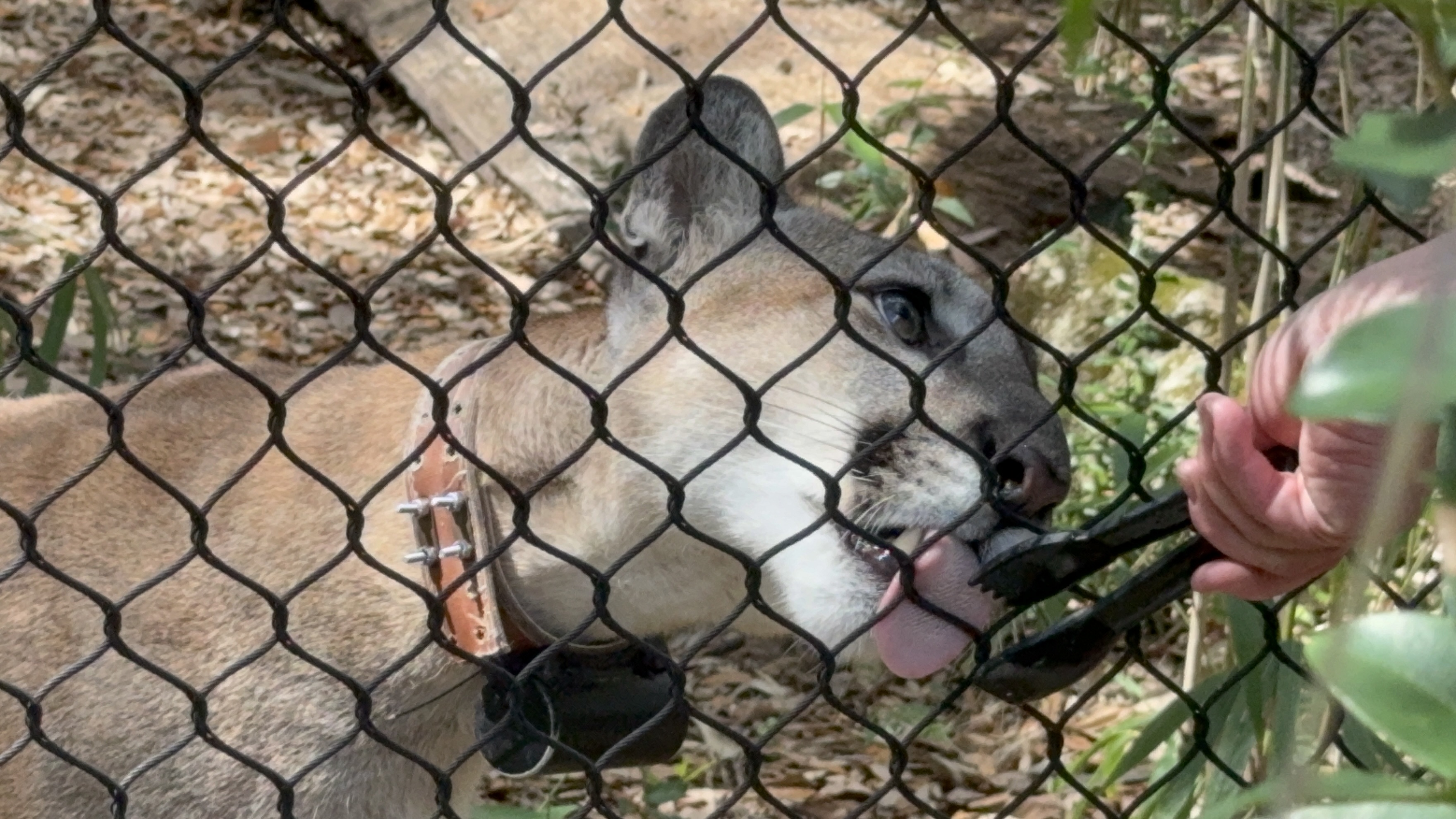
When Loper came out for a snack, his mobility appeared strong as he explored the perimeter of his new home. The zoo is excited to house Loper and staff said they expect visitors will begin to see more of him as he continues adjusting.