


While executives obsess over market conditions and competitive threats, a more insidious force undermines organizational success from within. According to Gallup and Deloitte research, U.S. companies lose an estimated $525 billion annually to disengagement and miscommunication. According to behavioral science research and generational analysis, trust and communication breakdowns between different age groups in the workplace create more business failures than external economic factors.
This revelation comes from Ryan Vet, a USA Today bestselling author and Generational Futurist, whose work examining the intersection of people, technology, and culture has attracted thousands of business leaders to his weekly COLLIDE newsletter and guided executive teams from startups to Fortune 500s through large-scale cultural transformation. Unlike traditional generation speakers who focus on stereotypes and surface-level differences, Vet's research digs deeper into the behavioral science behind why teams resist change and how generational misunderstandings create invisible barriers to innovation.
"Trust and communication breakdowns—often rooted in generational misunderstanding—destroy more businesses than market conditions ever will," Vet explains in his analysis of organizational dynamics. His observation challenges conventional wisdom that places external factors at the center of business disruption.
The concept of resistance as an unseen force stalling innovation, growth, and trust forms the cornerstone of Vet's consulting work with organizations ranging from startups to Fortune 500 companies. Each year, Vet delivers more than 70 presentations worldwide, but he says his favorite moments happen behind closed doors through consulting with organizations. "You can feel the immediate shift in real time when a leadership team finally gets to the root of generational conflict and employs simple frameworks to inspire change," Vet reflects.
Through frameworks like the Pendulum Theory and Generational Prism, he helps leadership teams anticipate cultural shifts before they happen, transforming potential friction points into opportunities for organizational evolution.
What sets this approach to generational dynamics apart is its foundation in behavioral science and organizational psychology rather than demographic generalizations. By understanding how different generations process information, build trust, and communicate, leaders can turn workplace tension into transformation. This methodology has proven particularly valuable as organizations navigate the complexities of hybrid work environments and rapidly evolving technology adoption.
The COLLIDE newsletter has emerged as a critical resource for executives seeking clarity in an increasingly complex business landscape. Each week, thousands of leaders turn to these data-driven insights and practical takeaways to navigate the convergence of technological advancement, cultural evolution, and human behavior. The publication addresses everything from artificial intelligence's impact on workplace dynamics to strategies for building multigenerational teams that thrive through change.
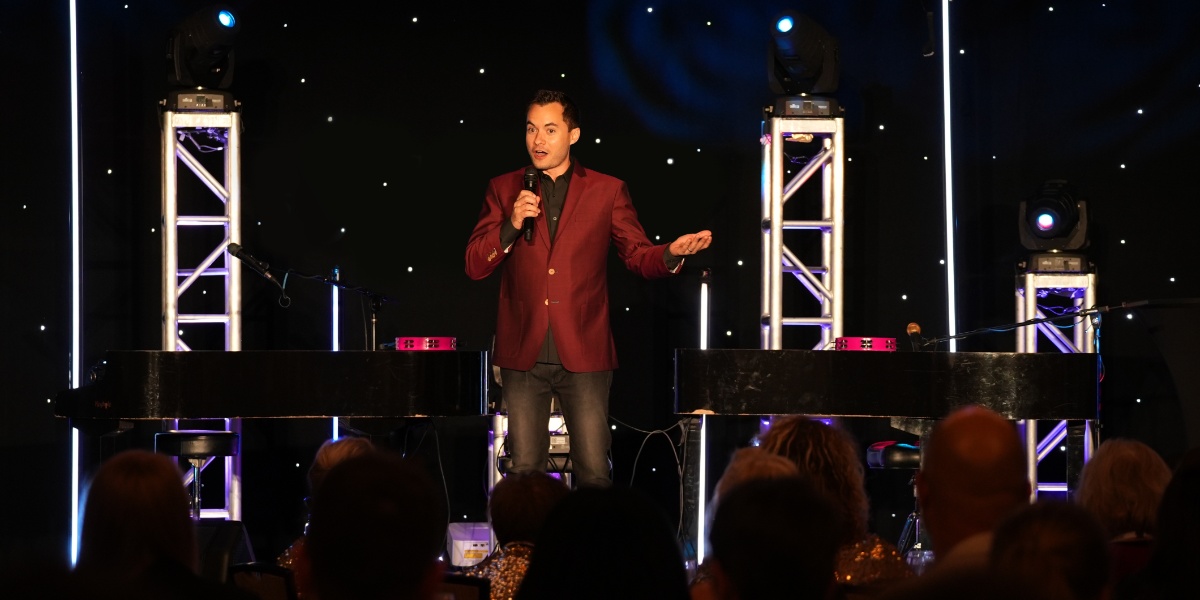
As organizations face unprecedented rates of change, the ability to decode generational behavior becomes a competitive advantage. Companies that understand how to bridge generational divides report higher employee engagement, faster innovation cycles, and stronger customer relationships. These organizations create workplaces that attract talent across age groups while inspiring the loyalty necessary for long-term success.
The implications extend beyond internal operations. As consumer behaviors shift across generational lines, businesses must adapt their strategies to remain relevant. Understanding these dynamics helps companies anticipate market changes, develop products that resonate across demographics, and build brands that endure generational transitions.
For leaders seeking to future-proof their organizations, Vet's frameworks offer a roadmap for navigating complexity. "The future doesn't belong to those who predict it," Vet says. "It belongs to those who prepare their teams to adapt and trust one another through it."
Rather than treating generational differences as obstacles, successful executives learn to leverage diverse perspectives as catalysts for innovation. This shift in mindset transforms potential conflicts into collaborative opportunities, creating organizations resilient enough to thrive through any market condition.
The growing influence of this generational futurist approach reflects a broader recognition that traditional leadership models no longer suffice in rapidly evolving markets. As technology continues to reshape how people work, communicate, and create value, understanding the human element becomes increasingly critical to organizational success.